A big-box rotor dropped into a twelve-foot Deer Park side yard will water the fence, the neighbor’s beds, and a slice of the alley before it waters the grass evenly. The head was not defective. It was the wrong tool for the distance. Choosing sprinkler heads is mostly a distance, soil, and pressure decision. Brand comes after those three. St. Augustine on Harris County clay will show the mistake as a swamp at the head and a dry edge, or as a stream that never should have left the turf.
The residential choices are fixed sprays, rotary nozzles in a spray body, gear-driven rotors, and drip for beds. Each has a throw and a precipitation rate. Mix them on one zone and no runtime fits. Pick for the shape of the area, then group similar heads on the same valve.
Sprays for short distances
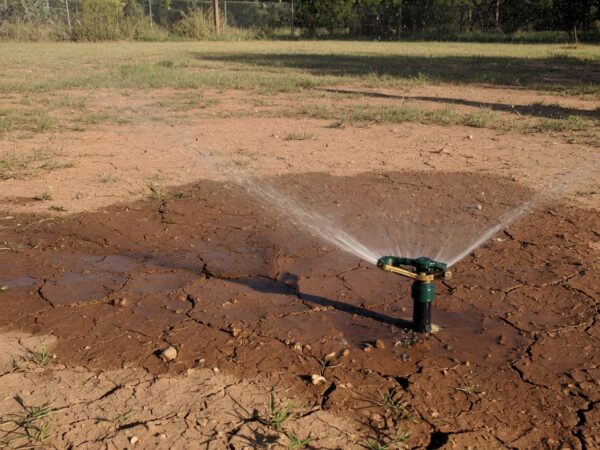
Pop-up spray heads throw a fixed pattern, usually about 4 to 15 feet depending on the nozzle. They fit front yards broken up by walks, side yards, parkways, and anywhere a rotor cannot slow down enough. Many fixed spray nozzles put water down fast, often around an inch and a half per hour. On Deer Park clay the soil puddles before the root zone is full unless you cycle the zone. Sprays are still the right head for a short radius. A 30-foot rotor in a 10-foot bed does not fix clay.
A quarter-circle, a half, and a full on the same zone need matched flows, so the small arc does not drown and the large arc does not starve. Fixed-arc nozzles stay put better than adjustable ones next to a sidewalk on Center Street or Spencer Highway. Pop-up height matters in St. Augustine. A four-inch riser disappears into thick turf and sprays the grass in front of it. A six-inch pop-up clears a healthy lawn and wastes less water in the thatch. Shrub risers on a rigid pipe are for beds, not for a place the mower goes.
Pressure is part of the choice. Many spray nozzles are built near 30 psi. If the zone is well above that, the pattern mists and the wind along East Boulevard carries it off the lawn. Pressure-regulating spray bodies hold the nozzle near its design pressure. They are a head choice, not an accessory you remember later, when the mist is already a habit.
Rotors and rotary nozzles for larger turf
Gear-driven rotors throw a rotating stream, commonly past 25 feet and often into the 30s or 40s on residential models, with the exact radius on the nozzle chart. They fit open back yards and wide fronts where a spray would need a forest of heads. Their precipitation rate is lower than a fixed spray, often well under an inch per hour, so they are kinder to clay if the spacing is honest. They are a poor fit in a narrow side yard. The minimum throw is still longer than the turf, and the “fix” of aiming the stream into a fence wastes water and beats the wood.
Rotary nozzles, including the MP Rotator style, thread into a spray body and send out rotating streams at a low rate. Standard models in that family are published near four-tenths of an inch per hour, with a faster series near eight-tenths. Radius can run from a small area up to the mid-30s depending on the model. They are the usual bridge when a Deer Park spray zone puddles and the area is too small or too irregular for a full rotor. They are not interchangeable with fixed sprays on the same zone. The rates are too far apart. If runoff is the reason you are shopping, read rotary nozzles and clay runoff before you buy a bag of mixed hardware.
Hunter and Rain Bird both make residential gear drives that will cover a Deer Park back yard if the nozzle, pressure, and spacing are right. The differences that matter are the radius you can turn down to and the pressure the chart assumes. A brand debate that ignores a narrow side yard installs the wrong head with confidence. The longer comparison is Hunter and Rain Bird rotors for Deer Park yards.
Drip, check valves, and the heads you should not mix
Drip is the right “head” for shrubs, hedges, and narrow planting beds. Emitters put water at the root and leave the leaves dry. A spray over mulch wets the crown, stains the fence, and runs onto the grass. Drip needs its own zone because its rate and its runtime look nothing like turf. Tie it to a spray valve and you will either drown the plants or quit before the lawn is done.
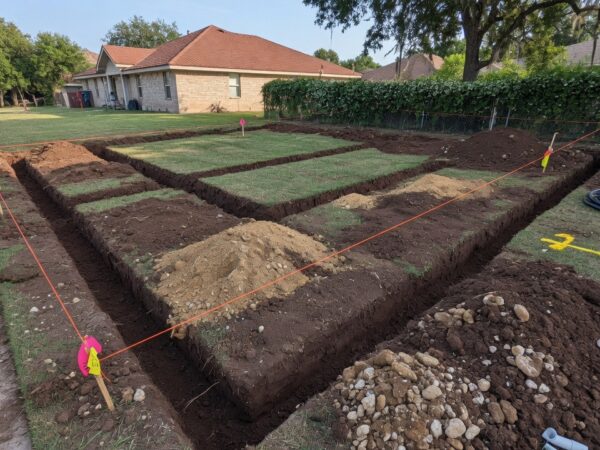
Check valves stop low-head drainage. On a slope toward the sidewalk, the lowest heads weep after the zone shuts. If the grade falls more than a couple of feet, choose heads that hold water when the valve closes. Do not put sprays and rotors on one valve, and do not put fixed sprays with low-rate rotary nozzles or with drip. Keep the rate matched and the spacing head-to-head for the radius those heads really throw. A new head that threads in is not automatically a match. A like-for-like replacement is sprinkler repair. Changing the head type across a lawn is sprinkler installation, because the pipe, the valve, and the runtime change with it.
Deer Park conditions that should pick the head
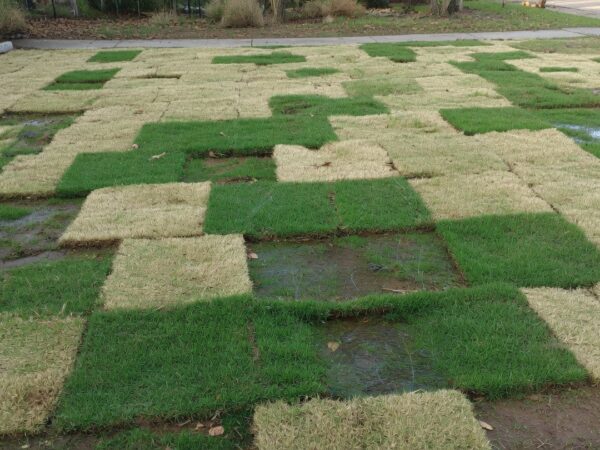
Clay is the first filter. If the area is large enough for rotors or rotary nozzles, their lower rate will usually track the soil better than a fixed spray. If the area is a parkway or a side strip, take the spray or the strip nozzle and plan to cycle it. Pretending a rotor can be polite in a ten-foot width just moves the water to the street. St. Augustine’s thickness picks the pop-up height. Four-inch bodies in this turf are why so many “weak” zones are only blocked zones.
Open lots nearer SH-225, and fronts along Spencer Highway and East Boulevard, mist when spray pressure is high. A regulating body keeps the droplets on the property. Sheltered back yards can run the same nozzle with less drift, so they should not share a zone with a windy front. Gulf humidity does not change the head. It changes how long leaves stay wet, so morning runtimes still matter. Occasional freezes crack a nozzle into a fan. After a cold snap, look at the heads before you blame the layout. Every head still sits downstream of a working backflow on City of Deer Park water. The head has to fit this lot’s distance, not a yard in Pasadena, La Porte, or Channelview.
Head-choice checklist
- Measure the shortest and longest distance each zone must throw. Let the short distance veto a rotor that cannot turn down that far.
- Use sprays or strip nozzles under about 15 feet. Use rotors on open turf with room for a real radius.
- Consider low-rate rotary nozzles where sprays puddle and a full rotor will not fit.
- Keep one precipitation family per valve. No sprays mixed with rotors, and no drip on a turf zone.
- Match quarter, half, and full nozzles so flow scales with the arc.
- Pick a pop-up tall enough to clear St. Augustine. Six-inch bodies belong in thick turf.
- If pressure is high enough to mist, choose pressure-regulating spray bodies instead of a random nozzle swap.
- Add check valves where the low head weeps onto the walk after the zone shuts.
- Put shrubs on drip. Do not spray mulch and call it coverage.
- Read the nozzle chart at the pressure you will actually have at the head.
Choose for the yard, then buy the part
Distance, clay, and pressure cross most heads off the list before a logo matters. A short parkway wants a spray or a strip. An open back yard wants a rotor spaced head-to-head. A bed wants drip. A spray zone that floods clay and cannot fit a rotor wants a rotary nozzle and a cycled schedule.
If you want that sort done on site, call Deer Park Sprinkler Repair at (281) 764-7088. Say how wide the problem area is and whether the current head is misting, puddling, or hitting the fence. The replacement should be the right radius, the right rate, and a zone that finally agrees with itself.