A Deer Park timer set in May and left alone will waste water by September. The lawn does not need the same minutes in a humid week that it needed in a dry one. Clay does not take a long single cycle just because the clock offered it. St. Augustine does not drink sidewalk water. Saving water here is not a smaller lawn and it is not a guilt speech. It is a schedule that matches the soil, the grass, and the rain that already fell, plus hardware that puts that water on the roots.
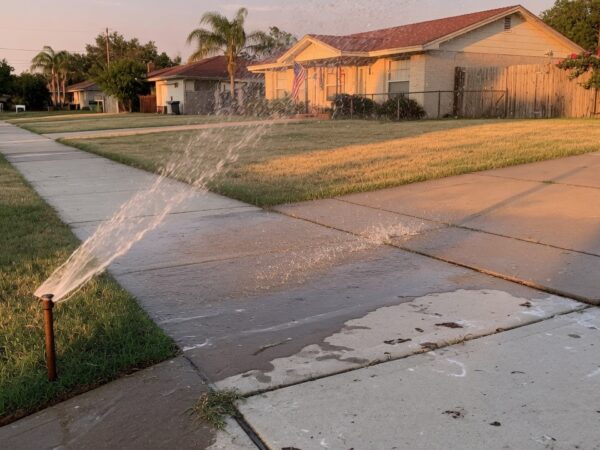
The gallons you keep are the gallons that used to run down Center Street, mist across East Boulevard, or soak a corner that had the wrong nozzle. Fix those and the weekly depth can stay healthy while the meter slows down. Skip them and a shorter program only makes a dry crescent. Conservation that kills the turf gets reversed in August with a daily cycle, and the bill ends up worse.
Water early, and water the depth, not the habit
Run irrigation in the early morning. Gulf humidity already holds moisture on the blades. Watering at dusk leaves St. Augustine wet overnight, which is when fungal problems get comfortable. Midday watering loses more to evaporation and to wind. Morning gives the leaf a chance to dry and gives you light to see a broken head before it runs for a month.
A common Gulf Coast guide for St. Augustine is about an inch of water a week in ordinary growing weather, counting rainfall, and more during a hard dry spell. That is a turf guide, not a City of Deer Park ordinance. Check the current city watering schedule and stay inside it. Measure the inch. A straight-sided can or a few catch cups in the zone will show whether 15 minutes is a tenth of an inch or half an inch. The controller’s minutes are not a depth. If you have never measured, you are guessing, and the guess is usually long. A full pass at how to measure is in what a Deer Park irrigation audit measures.
Seasonal adjust is the dial people forget. Many controllers let you scale the whole program down in a cool or wet month and back up in July without rewriting every station. Use it. A program left at 100 percent from the first hot week will overshoot every mild week after. A rain sensor is the companion, not a decoration. Test it. A sensor that was bypassed with a jumper, or one stuck after a storm, is why the system runs in the rain or refuses to run when the lawn is actually dry.
Cycle and soak, because the clay has a speed limit
Deer Park clay often takes water slower than a spray zone puts it down. The surface seals, a puddle forms, and the rest of the “inch” goes to the gutter. The root zone is still short. Cycle and soak splits the runtime. You apply what the soil can drink, wait, and apply the next slice. Three ten-minute cycles with a break between them can put more water into the ground than one thirty-minute run, and they do it with less runoff. Rotors and low-rate rotary nozzles puddle later than fixed sprays, which is one reason they fit this soil, but they still sheet if you run them as a single long block on a slope toward the walk.
Do not mix those hardware types on one station and then try to save water with a clever schedule. A spray and a rotor on the same valve need different minutes. Any single program wastes water on one of them. Matched nozzles first, then the clock. Beds and hedges should not be on the turf schedule at all. Drip on its own zone puts water at the roots of shrubs and leaves the mower path alone. That layout is the point of drip irrigation, and it is one of the larger savings on a yard that still sprays mulch.
Skip days when rain already supplied the inch. A rain sensor handles a downpour. It does not know that a slow half-inch yesterday means the lawn can wait. A screwdriver that slides in is a different report from one that stops in crust. Color shows up late.
Hardware that wastes water while the schedule looks smart
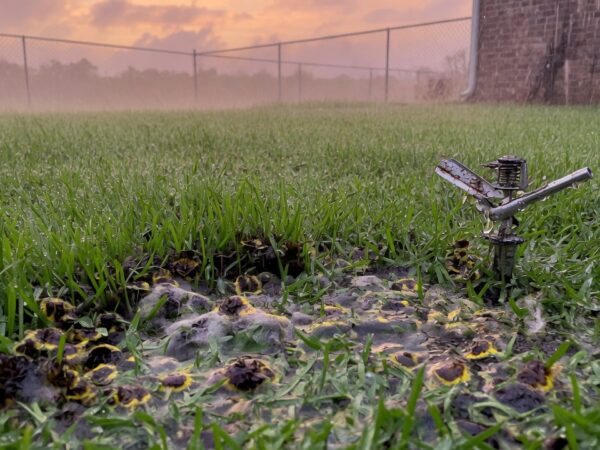
A tilted head, a sunken head, and a nozzle pointed at the sidewalk defeat a perfect program. Fix the aim before you congratulate the timer. High pressure turns sprays into mist, and mist is the fraction of your bill that lands in the street on a breezy afternoon along Spencer Highway. Pressure-regulating nozzles and heads hold the pattern together. A valve cracked open “just a little” to calm a zone is a clumsy substitute that starves the far heads.
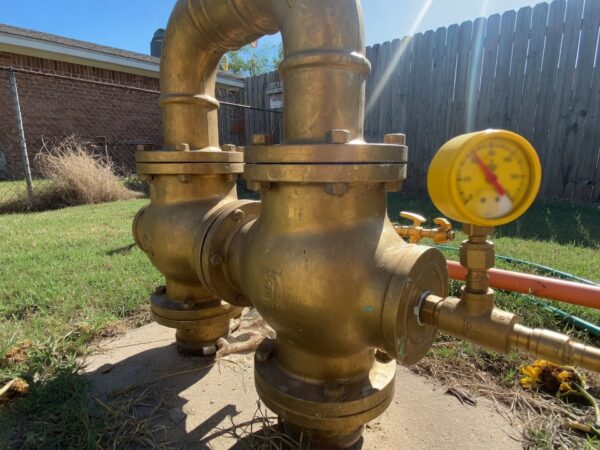
A meter that turns with the controller off is not a scheduling problem. Close the irrigation shutoff, confirm the spin stops, and repair the leak before you tune minutes. A missing nozzle is an open pipe on that cycle and can spend more water than a seasonal-adjust button will ever save. Smart controllers can trim an even yard. They cannot invent head-to-head coverage. Put the hardware right, then let the clock trim the edges. That ongoing work is sprinkler maintenance, not a new app on a broken layout.
Deer Park conditions that change how much water you need
Humidity is the local trick. The air feels wet and the grass still wilts, because humidity is not inches in a catch cup. Wind off the SH-225 side, and across open streets toward La Porte, steals mist and raises the need on the edges while a sheltered back yard in Parkwood stays comfortable. Those areas should not share a runtime. Sun on a Center Street parkway is a different climate from shade under a mature oak, even on the same lot, on the same clay.
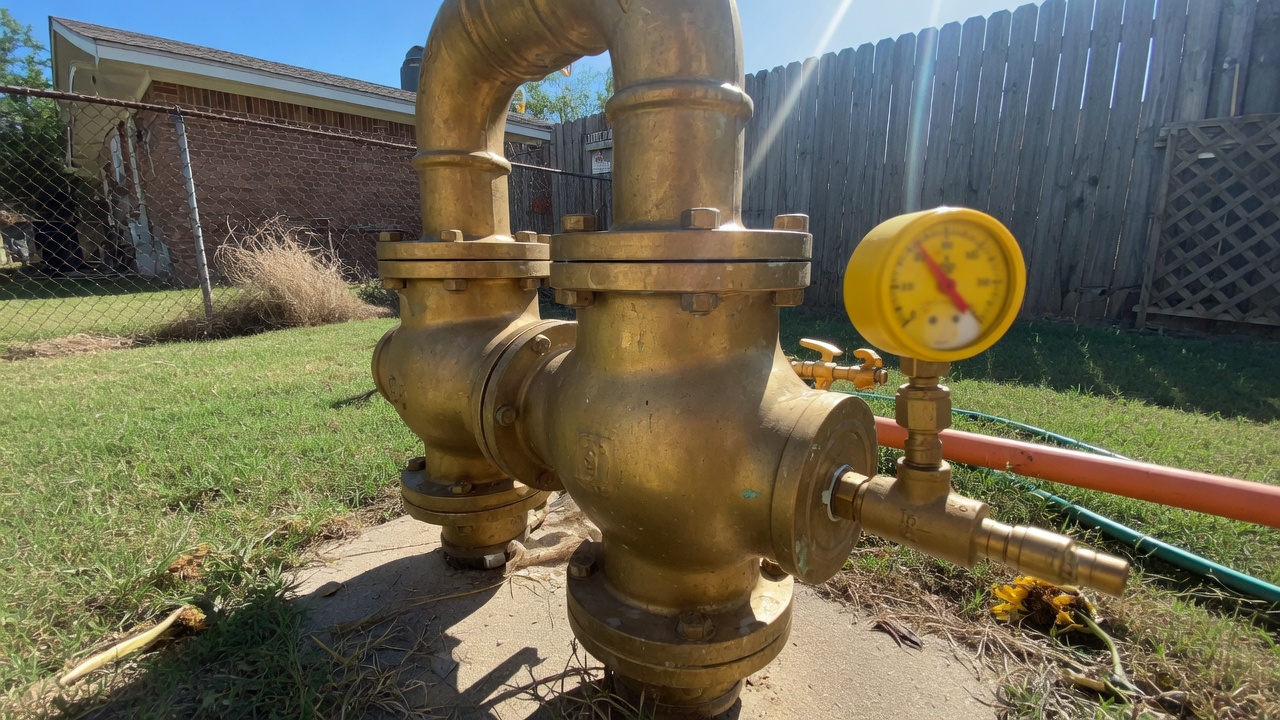
Rain comes hard. Clay seals, the swale holds water, and a controller that runs the next morning piles irrigation on a lawn that cannot take it. Skip that start. Occasional freezes change the hardware rather than the weekly inch. A cracked head or a split backflow will waste more water in a day than a careful schedule saves in a month. After a freeze, run each zone where you can see it. City of Deer Park watering rules and backflow protection outrank any tip here. A shorter schedule that ignores those rules is not conservation.
Water-saving checklist
- Water in the early morning, not at dusk and not at midday.
- Measure depth with catch cups. Aim near an inch a week for St. Augustine in ordinary weather, counting rain, unless the city schedule says less.
- Use seasonal adjust. Do not leave July minutes in place through a cool, wet stretch.
- Test the rain sensor. Replace or reconnect one that is stuck or bypassed.
- Split runtimes into cycles short enough that clay stops puddling before the cycle ends.
- Keep sprays, rotors, and drip on separate zones so one runtime is not a compromise.
- Fix heads that hit sidewalk, street, or fence before you shorten the program.
- Check pressure if the spray is mist. Regulate it instead of closing a valve at random.
- Confirm the meter is still when the system is off. Repair leaks before you tune the clock.
- After a freeze, look at the backflow and run the zones once by hand.
Spend the water on the roots
The tips work together. Morning water, a measured inch, cycles the clay can drink, sensors that are allowed to say no, and heads that stay on the grass. Ignore the hardware and the schedule becomes a way to under-water a broken system. Ignore the schedule and the new nozzles just waste water more evenly. City watering rules sit over both.
If the cups and the clock are more than you want to reconcile on a Saturday, Deer Park Sprinkler Repair will set the program to the yard at (281) 764-7088. Mention whether the sidewalk is getting wet and whether the meter moves with the system off. Those two answers decide whether the saving starts with a nozzle or with a leak. The lawn can stay green on less water than a forgotten May timer is spending. It cannot stay green on less water than the roots actually get.