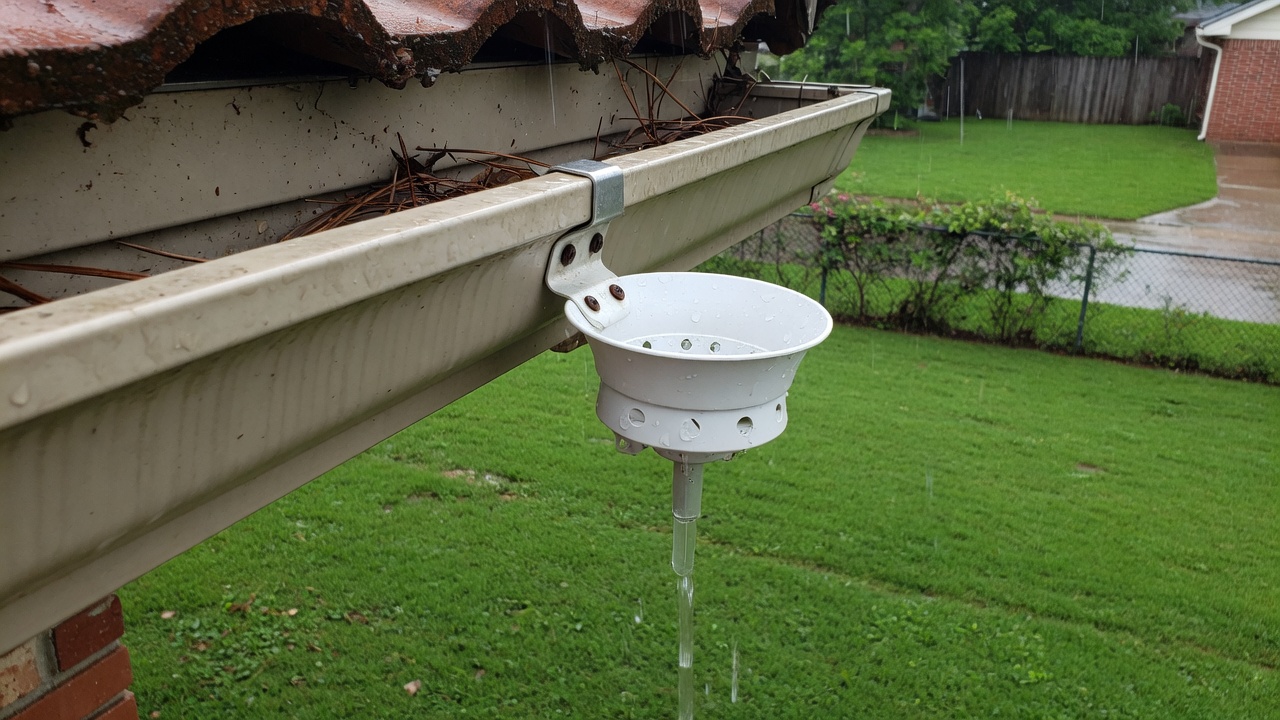
The storm came through before dawn, the street along Spencer Highway is still shining, and zone one is clicking through its cycle as if the sky were clear. The rain sensor is right there on the gutter, a small plastic can the installer pointed at on the day it was mounted. A sensor that does not stop the system is usually not a mystery of “sensors don’t work in Texas.” It is a bypass switch, a dried stack of discs, a wireless link that gave up, or a second start time the sensor already released.
Texas requires a licensed irrigator to put a rain shutoff, a freeze or soil-moisture shutoff, or a weather-based controller on a new system. The device is supposed to interrupt automatic watering when nature already did the job. It is not supposed to measure whether your St. Augustine, on clay, actually needed that storm. Those are different questions, and Deer Park humidity makes people mix them up.
What the sensor is doing on the wire
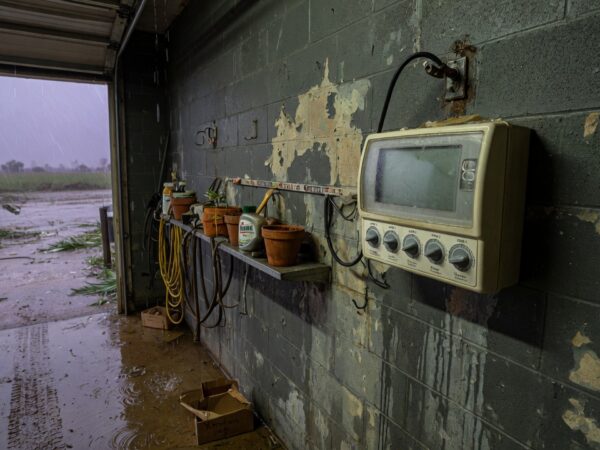
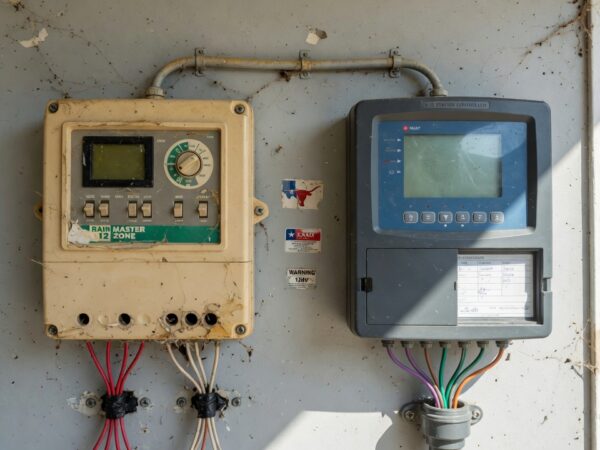
Most residential rain sensors sit on the common. When the hygroscopic discs swell with water, a switch opens and the controller loses the return path for every zone. No common, no solenoid, no water. When the discs dry, the switch closes and irrigation is allowed again. A freeze sensor, often in the same head, opens that circuit when the temperature drops. The controller may still display the zone as running. Display is not water. Walk outside or you will argue with a screen that cannot see the valves.
Find the bypass before you blame the discs. Many sensors have a switch on the body. Many controllers have a sensor terminal and a menu choice labeled active or bypass. Someone trying to water new sod, test a zone, or “get the lawn through August” flips that switch and never flips it back. The system then runs in a Gulf downpour with a perfectly healthy sensor sitting idle on the eave. Bypass is the first thing to check, and it is the reason a sprinkler maintenance visit includes the sensor instead of only the heads.
Wireless sensors add a second way to fail
A wireless rain sensor is a transmitter on the roof or gutter and a receiver at the controller. The discs can be soaked while the receiver never hears about it. Batteries in the transmitter die, the receiver loses the address after a power blink, or a metal roof and a long run from a back-yard controller push the signal past what the pair can do. The symptom is a system that ignores rain, or the opposite: a receiver stuck in the interrupt state so nothing runs even though the discs are bone dry. Re-pairing is a procedure in the manufacturer’s sheet, not a guess. If the controller itself is rebooting or the sensor terminals do nothing, that is controller repair, not a new set of discs.
A quick storm is not the same as a soaked root zone
Deer Park storms are often short and dramatic. A tenth of an inch wets the discs, the sensor holds the system off, and the clay underneath is still hard by afternoon. People see the lawn fold the next day and decide the sensor is “too sensitive,” then bypass it for the rest of the summer. The adjustment on a disc sensor is a shutoff point, often marked as a rainfall depth. Set it for a meaningful rain, not for a sprinkle that only wets the cap. If the lawn needs water the same day a brief cell passed over, use a manual cycle after the discs have dried, or temporarily bypass and then return the switch to active. Leaving bypass on is how September looks like the sensor was never installed.
The other error is trusting the sensor to know about yesterday. Discs on a south eave in full sun can dry by early afternoon while the soil is still at field capacity. The evening start time, or a second program stacked “just for the rotors,” then runs on top of a lawn that did not need it. A sensor interrupts while it is wet. It does not remember the week. Extra start times defeat it honestly. If the turf is growing fungus in the pattern of those extra cycles, the overlap with overwatering in this humidity is the lawn problem, and the sensor is only the piece everyone can see.
Deer Park site conditions that fool a sensor
Mounting location is local, not generic. Under the deep eave of an older house near Center Street, the sensor stays dry in a wind-driven rain that soaks the lawn. On an open gutter along a Parkwood or Spencerview roof with no tree cover, the same model trips on a mist and holds the system off through a hot afternoon because the discs never saw sun. Oaks drip for hours after the rain stops and will keep a sensor wet if it sits under the canopy. Put it where it sees the sky the lawn sees, and where it can dry on a normal morning.
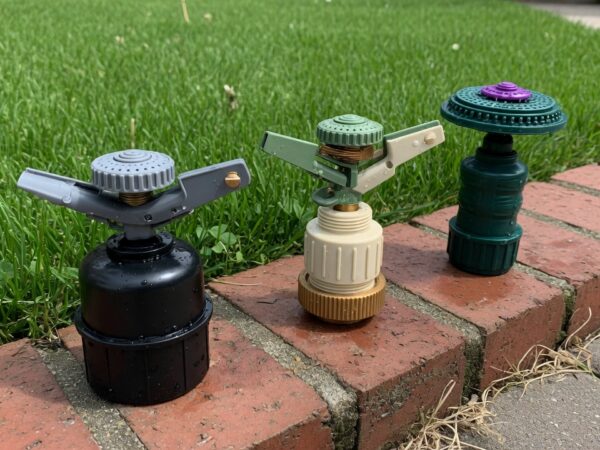
Irrigation overspray will trip a sensor that was mounted too low or too close to a spray head. The discs think it is raining every Tuesday. That looks like a controller fault and it is a head aimed at the eave. Wind off the SH-225 corridor and the open commercial edges near Spencer Highway adds mist from rotors that have lost their nozzle. Fix the pattern. Do not keep raising the sensor’s rainfall setting to compensate for a head that is watering the house.
Humidity itself rarely swells a properly vented disc stack the way a rain does, but a sensor packed with leaves, or sitting in a shaded pocket that never dries, will stick in the off position for days. Freeze switches add a winter version of the same complaint. After one of our occasional hard freezes, a sensor can hold the system off into a mild afternoon, or a cracked housing can leave it stuck closed so it never interrupts again. Look at the sensor after a freeze before you decide the controller “forgot the rain setting.”
Checklist when the system runs in the rain
- Look at the sensor bypass on the controller and on the sensor body. Active means it can interrupt. Bypass means it will not.
- Watch a zone that should be interrupted. A display that keeps counting is normal on many clocks. Dry heads are the test.
- Check that the discs are free of paint, leaves, and oak debris, and that the vent cap is not clogged.
- Confirm the sensor sees open sky, not the underside of an eave or the spray from a head.
- Set the rainfall trip point high enough to ignore a trace and low enough to catch a real Gulf storm.
- On a wireless pair, replace the transmitter battery and re-learn the receiver before you buy a second sensor.
- Count start times. A sensor that dried at noon will not stop a second program at 8 p.m.
- After a short shower, decide with a screwdriver in the soil, not with the fact that the street got wet.
- After a freeze, inspect the housing and the freeze switch before the first warm watering week.
- If the terminals do nothing in either switch position, stop and test the controller’s sensor circuit.
A sensor is not a smart controller
A working rain sensor is a switch. It does not look at evapotranspiration, skip a day because the soil is still charged, or shorten a rotor zone that was too long in April. Those are reasons people compare a plain sensor with a weather-based clock, which is the question in whether a smart controller is worth it in Deer Park. You can have both. A smart clock with the sensor bypassed is just an expensive timer that waters the rain.
If the zones keep running through storms and the bypass is already where it should be, call Deer Park Sprinkler Repair at (281) 764-7088. We sort disc sensors, wireless pairs, and controller inputs on Deer Park systems, and we put the interrupt back on the common so the next cell over Spencer Highway can finish the watering for you.