The morning after a Gulf freeze, a Deer Park lawn often looks unchanged. People wrap a faucet and go to work. The irrigation is still full of water. There is no deep frost line doing the damage here. The damage is water inside the pipe, the fittings, and the above-ground backflow, expanding on a night that actually drops below freezing and splitting plastic that will not flex.
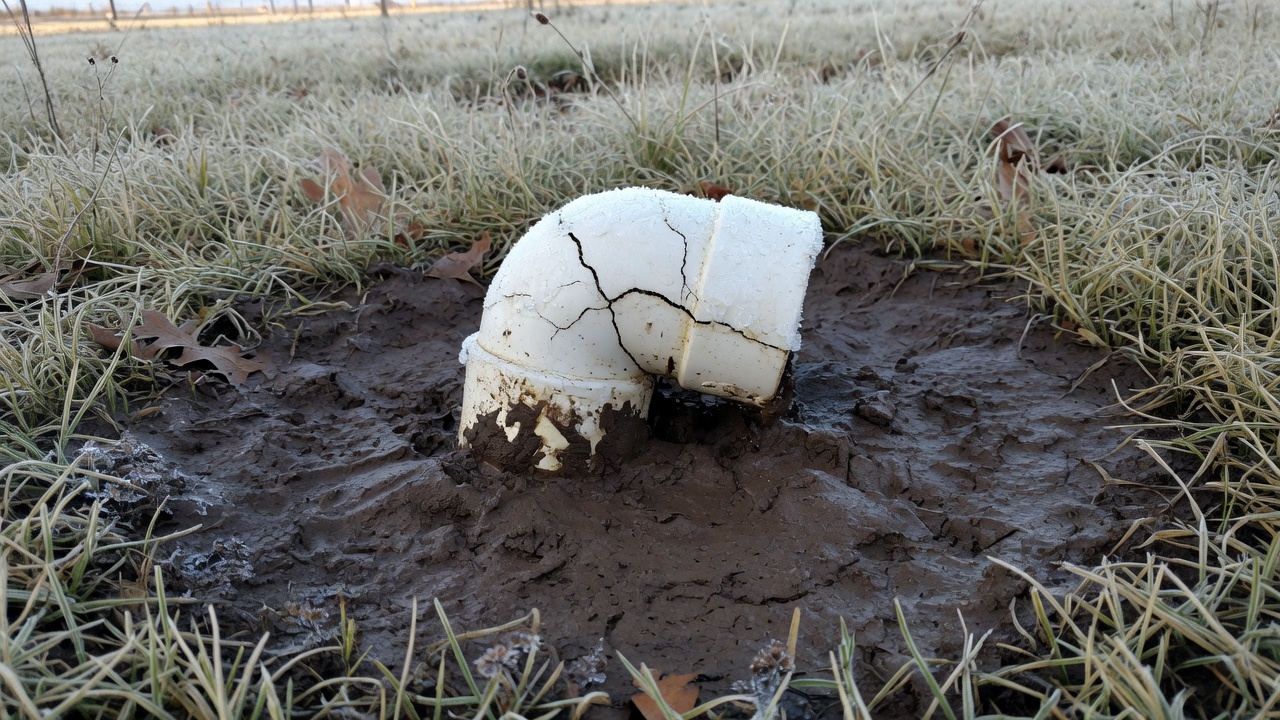
That split is often invisible until a warm week in late winter or early spring, when someone opens the irrigation shutoff, charges the main, and a lateral that survived three mild winters suddenly weeps along a glue joint. The freeze did the work in one night. The water bill does the announcing a month later. If you know where PVC fails on a Deer Park system, you can look for those failures on purpose instead of discovering them as a soft trench in March.
Where the water sits when the temperature drops
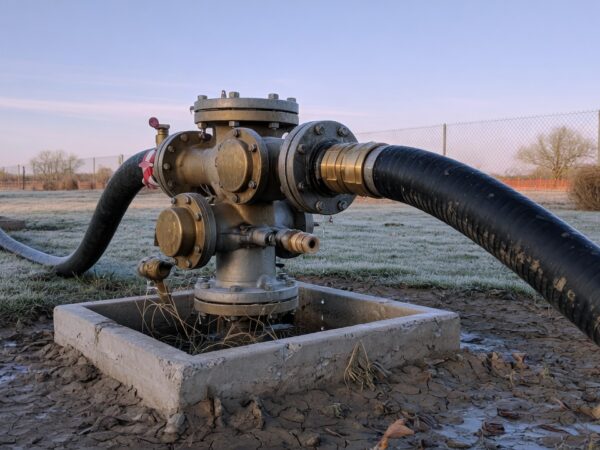
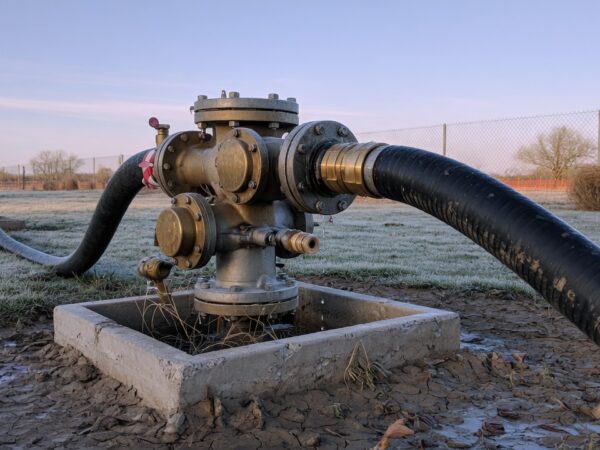
A zone valve closes, but it does not empty the pipe. Laterals stay charged with whatever was in them at the last cycle. Low heads hold a pocket. Tee fittings and ninety-degree elbows hold a pocket. Valve bodies hold a pocket above the diaphragm. The backflow assembly, sitting in the air beside the garage, holds several pounds of water with no soil around it at all. When that water freezes it expands. PVC does not stretch to match. It cracks at the bell of a fitting, along a solvent-weld that was a little shy on glue, or in a straight run of thinner pipe if the freeze is long and the pipe is full.
Class 200 laterals are the usual victims. Schedule 40 mainline is thicker and fails less often, which is why the pipe from the backflow to the valves can look fine while the zones will not build pressure. The break is downstream, often a hairline until pressure opens it. Swing joints fail too, especially where a head had already sunk in clay.
Above grade, the order of casualties is predictable. The RPZ or pressure vacuum breaker splits a cover or starts discharging from the relief the first time it thaws and sees pressure. Ball valves that were full and closed can crack a body. A backflow that was wrapped loosely in a trash bag with the water still inside is not winterized. It is decorated. Real preparation before a forecast hard freeze is the subject of winterizing the sprinkler system: getting the water out, or at least out of the exposed device, rather than hoping soil cover will save a pipe that is not buried deeply and is completely full.
Why a Deer Park freeze does not look like a northern one
Many Harris County winters never produce a night that matters. Some produce one or two nights well below freezing after a wet Gulf front, and that is enough. Soil a few inches down can still be soft while the air at the backflow is in the twenties. Shallow laterals and anything above grade see the air, not a deep freeze. Saturated clay only makes it worse because the trenches and the pipe are already full of water.
Flat lots along SH-225 and East Boulevard, through Parkwood and toward Center Street, do not drain to a low head the way a sloped yard would. The water stays in the pipe. La Porte and Channelview see the same quiet morning and the same surprise leak weeks later. A cracked backflow that is discharging is both a freeze repair and a compliance problem. The city’s rules do not pause because the grass is brown.
The next day can be sunny and mild. Brief is not harmless if the water in an RPZ froze solid. One solid night is a full event for thin PVC and for every part that stands above the mulch.
How the cracks show up when you pressurize
Open the irrigation shutoff slowly. A fast open is a water hammer on joints that may already be cracked. Check the backflow for a wet slab or a relief valve that will not stop spitting, then run one zone at a time, the sequence in the spring startup checklist. A geyser, a misting fitting, or a lawn that goes dark within a minute is a freeze crack until a shovel proves otherwise.
Some cracks only leak while the zone runs. Clay holds that evidence as a slick patch rather than a fountain. Mark it and replace the section. Sealant smeared on the outside of thin PVC will not hold after a few dozen cycles.
Heads themselves crack at the cap and the body, and the riser may not pop. People replace the nozzle, get a brief improvement, and still have a sleeve of water down the outside of the head. If several heads along one lateral failed in the same freeze, look at the pipe between them before you buy a box of heads. The heads may be the symptom of a lateral that split and is now feeding the zone from the trench.
What to inspect after a hard night
- Look at the backflow in daylight before you open the shutoff. Cracked covers, ice still in the relief port, or a device sitting in a frozen puddle means it stays off until it is repaired and retested.
- Check hose bibs and the isolation valve for splits, so you do not confuse a house-side leak with an irrigation leak.
- Open the irrigation supply slowly. If you hear a rush that does not stop, close it again and start at the backflow and the valve box.
- Open valve boxes. A cracked bonnet or a valve that will not stop passing water is a freeze casualty even if the lawn looks dry.
- Run zones one at a time and mark every new wet spot, tipped head, or fitting mist. Do not run all zones while you are at work and hope to read the lawn later.
- Note heads that no longer rise. A split swing joint under a head looks like a “clogged” nozzle and wastes the zone’s pressure underground.
- Leave the controller off until that walk is done. A schedule that starts at midnight will pressurize a cracked lateral while you are asleep.
Skip the home remedy of running the system during the freeze “so the water keeps moving.” Moving water can delay a freeze in a hose. It does not reliably protect a lateral, and it dumps City of Deer Park water onto a lawn that cannot take it, often outside any allowed watering window. Skip pouring antifreeze into a sprinkler system. Potable-water irrigation is not an RV, and automotive antifreeze does not belong near a backflow that is tied to the drinking-water service.
Repair the crack, then decide how exposed you still are
A split lateral is a cut-out and a coupling, with primer and solvent cement on dry pipe, not a patch on a wet crack. A cracked valve body is a replacement, not a tighter solenoid. A cracked backflow is a permitted replacement and a test, because the annual record does not care that the cause was weather. After the repairs, run the idle-meter test. Close the controller, leave the supply open, and make sure the meter stops. A remaining hairline will show up there even if you are tired of digging.
If the laterals are only a few inches down, bury them properly while the trench is open. Deer Park can go years between hard freezes, which is why the last repair gets forgotten. The pipe does not forget the water left inside it.
A zone that geysers on the first startup is sprinkler repair with a freeze as the cause. Do it before St. Augustine hides the trench. Exposed assemblies belong under sprinkler winterization before the next cold night. Call (281) 764-7088 if the backflow is already pouring or a zone will not hold pressure. The lawn can look untouched and the PVC underneath can be finished.