By late June the St. Augustine along a Deer Park parkway can look fine at 7 a.m. and tired by 4 p.m. The blades fold, the color slips toward blue-gray, and the first instinct is to add another start time. On the heavy clay under most Harris County yards, that extra start time is often what keeps the surface wet, the roots shallow, and the water bill climbing. Summer watering here is a scheduling problem and a soil problem before it is a question of more minutes.
St. Augustine is the turf from the older lots near Center Street out to the streets that feed Spencer Highway because it handles Gulf humidity and oak shade better than Bermuda. In a hot, dry stretch an established lawn wants about an inch of water a week, rainfall included, pushed several inches down and then allowed to recede. Daily watering trains the stolons to live in the top inch, which bakes first when a July afternoon sits in the mid-90s.
An inch is a depth, not a run time
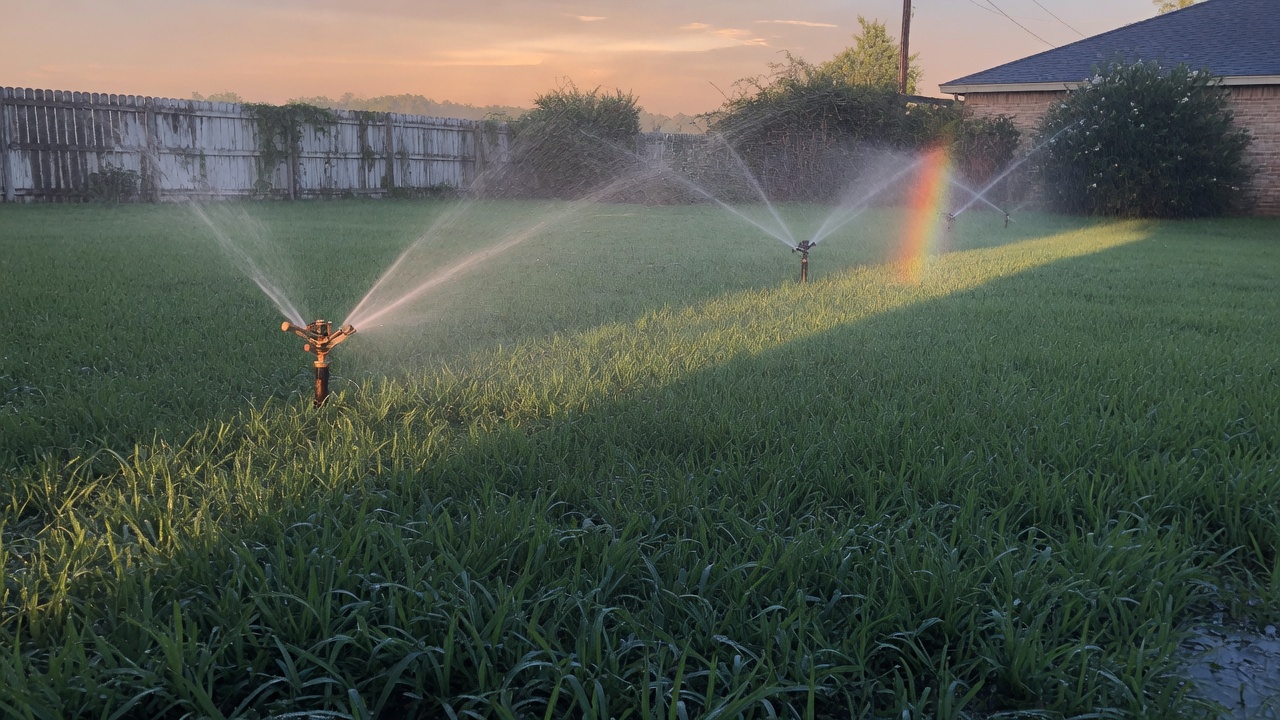
A spray zone with fixed nozzles might deliver that inch in roughly 20 to 40 minutes of actual runtime, split into cycles. A rotor zone on a larger side yard applies water more slowly and can need an hour or more. Copy the front-yard minutes onto the rotors and the back yard starves. Copy the rotor minutes onto the sprays and the sidewalk gets a river the clay never had time to take in.
The catch-can test is still the honest measurement. Set several straight-sided cans across one zone, run it for a known number of minutes, and measure the depth. Do it once when you build the summer program and again if you change nozzles. Heads that have sunk, clogged, or drifted since spring will make last year’s minutes a lie. That gap is a sprinkler maintenance job, not a cleverer clock setting.
A breeze off the ship channel can strip a mist nozzle before the drop lands, and midday watering spends part of every gallon on the air. The useful window is early morning, while the leaf can still dry before night.
This clay will not take the whole drink at once
Deer Park clay has small pores. The first minutes wet the thatch and the surface, and then water sheets toward the curb, the driveway, or the low corner by a fence. One continuous half-hour on a spray zone is how a yard irrigates the gutter. Cycle and soak is the practical answer. Run the zone only until runoff starts, wait 30 to 60 minutes, then run it again. Two or three short cycles on the same morning still count as one watering day. They are not three watering days.
An hour after the last cycle, push a screwdriver or soil probe into the lawn. If it stops in the first inch of dry clay, the drink did not finish. If it slides several inches and the turf still squishes the next afternoon, the program went past what established St. Augustine needed. Two deep mornings a week beat a daily rinse once the lawn is past establishment. Brand-new sod is a different schedule. Do not drop a mature summer program on pallets the week they come off the truck.
Deer Park site conditions that rewrite a summer program
A schedule copied from a national app misses the way these lots are built. Yards west of East Boulevard and the smaller lots near Center Street are often shaded on one side and blasted along the walk. Shaded St. Augustine stays wet into the afternoon while the sun strip folds first. Those two exposures should not share a run time even when they already share a zone.
Toward Parkwood, Spencerview, and the longer side yards off Spencer Highway, wind has a fetch. Rotor zones lose uniformity when a head tilts or a nozzle is undersized, and the dry crescent shows up at the fence. Around the San Jacinto College area, rental houses add a different failure: a March program still running, or a winter off nobody restored until the lawn was straw-colored.
SH-225 does not change the grass, but dust and a stronger breeze along that industrial edge clog nozzles and walk patterns off the turf. A head that was fine in April can be watering a driveway by July. Walk the zones in daylight. An occasional hard freeze shows up the same way: a split fitting from January blamed on the June heat.
The drought plan is the legal schedule
Deer Park does not use a permanent odd-even calendar the way some Texas cities do. Outdoor limits turn on by stage under the city’s drought contingency plan. When restrictions are active, hose-end sprinklers and automatic irrigation are tied to the customer’s normal trash-collection day, and only from midnight to 10 a.m. and from 8 p.m. to midnight. Hand watering, a small bucket, and drip are treated more loosely in the earlier stages and tighten if the city moves deeper into the plan. Later stages can prohibit hose-end sprinklers and, at the strictest step, leave hand methods and drip on a shorter clock while automatic spray is shut off.
A controller set for Tuesday, Thursday, and Saturday at 2 p.m. can be both a poor program for this turf and a violation once a stage is declared. Confirm the current stage with the city before you lock the summer times, and read Deer Park’s plan rather than a rule sheet from Houston or a suburb upstream. The companion note on how Deer Park watering days actually work is the place to match a trash day to a controller. Build cycle-and-soak start times so the last cycle still finishes inside the morning window.
Beds should not ride along on the turf clock. A drip irrigation zone on foundation shrubs can run shorter and slower, which is also how the drought plan often treats drip differently from spray. Aiming a spray head at the flower bed and calling it drip does not change the precipitation rate, and it stains brick.
Wet nights are a disease problem
The summer failure that surprises people from drier parts of Texas is fungus, not thirst. St. Augustine that stays wet through a warm Gulf night invites brown patch, gray leaf spot, and take-all pressure. If the last cycle finishes late under an oak, and a second start time runs after dark, the shaded blades may never dry. One morning window is enough. When thin arcs follow the sprinkler pattern, read how overwatering and humidity show up as fungus before you add minutes. Scalped turf makes this worse by losing the leaf that shades the soil, so keep the mower up.
Checklist for a Deer Park summer watering week
- Confirm the current drought stage and your trash-collection watering day before you edit the controller.
- Place every automatic start time in the midnight-to-10 a.m. window, with a soak between cycles.
- Measure one spray zone and one rotor zone with cans so minutes correspond to inches.
- Probe the soil an hour later and look for several inches of moisture, not a shiny surface.
- Walk every zone in daylight and mark heads that mist, lean, or sit down in the turf.
- Shorten shaded stations in your mind even if they share a valve with full sun.
- Delete extra start times. Two deep mornings beat seven shallow ones on this clay.
- Check for brown arcs and a sour thatch smell before you decide the lawn is dry.
- Give foundation beds their own drip schedule so turf minutes are not soaking the slab planting.
- Skip the next irrigation morning after a real rain. A sensor will not always do it for you.
When the clock is not what failed
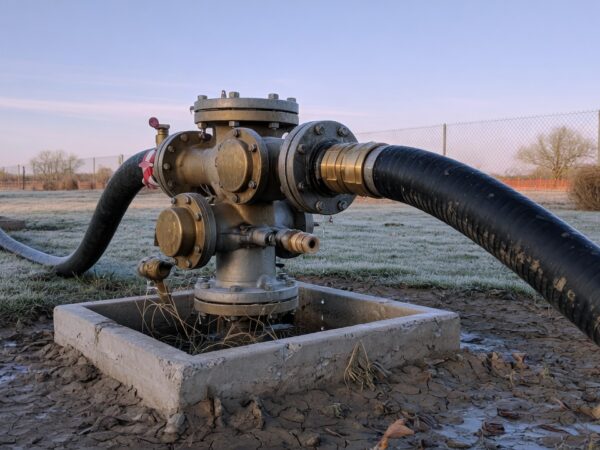
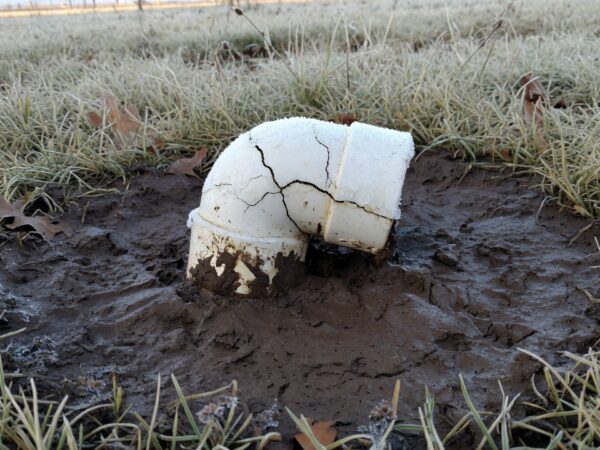
If one zone puddles at a head, another never reaches the fence, or the meter moves while the controller is idle, no summer program will repair it. A sunken head, a weeping valve, or a lateral leak impersonates a watering mistake. Fix the hardware, then put the inches back on a morning the current stage still allows.
To have the zones walked, the nozzles matched, and the controller set to the lawn you have, call Deer Park Sprinkler Repair at (281) 764-7088. Programs are built around this clay, St. Augustine, and whatever drought stage the city has actually declared.